


Youth Empowerment Through BodaBoda Initiative
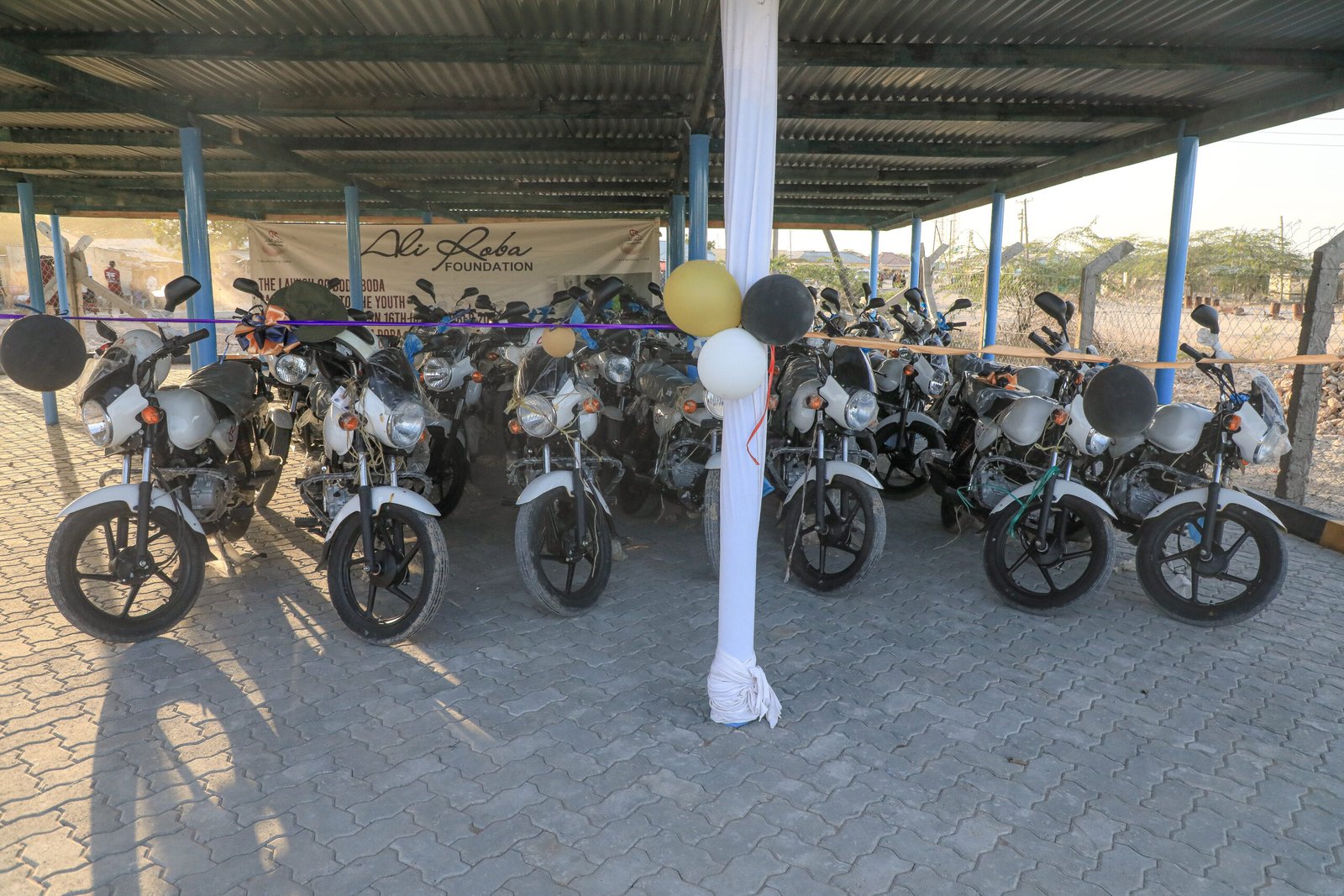
On 16 December 2024, the Ali Roba Foundation (ARF) launched a transformative youth empowerment program in Elwak Sub-County, donating thirty-three bodabodas (motorbikes) to uplift one hundred and twenty-five youths from vulnerable families. The program was intentionally designed for shared ownership and accountability. Beneficiaries were organized into five groups of twenty-five, and each group elected leaders responsible for coordinating operations, tracking performance, and representing members in engagements with ARF and partners. This group structure encourages peer learning, fair decision-making, and the steady development of leadership skills among the youth themselves.
From the outset, ARF paired assets with knowledge. In collaboration with the National Transport and Safety Authority (NTSA), participants underwent comprehensive road-safety training covering defensive riding, consistent use of helmets and reflectors, passenger handling, understanding traffic rules, and basic motorcycle maintenance. These practical sessions did more than pass on tips; they cultivated a culture of responsibility that protects riders, passengers, and the wider community. Complementing the technical focus, a SACCO facilitated hands-on sessions in financial literacy, how to manage daily income, record transactions, set savings targets, and run group governance structures. The SACCO training demystified the basics of collective saving and lending, enabling young people to think beyond daily earnings and plan for long-term stability.
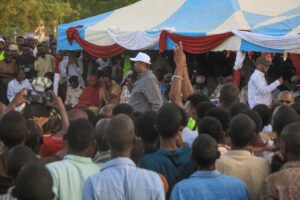
Upon completion, the youths received certificates. Beyond symbolic recognition, these certificates served a practical administrative role: they supported the opening of formal bank accounts for each group. With accounts in place, teams can deposit revenues transparently, build savings, and present verifiable financial histories when they seek future credit. ARF’s partnership with RACIDA added a crucial boost. RACIDA provided seed capital to jump-start operations, helping groups to cover initial costs such as licensing, safety gear, basic servicing, and start-up working capital. This blend of asset transfer, training, and seed funding created a well-rounded launchpad for sustainable enterprise.
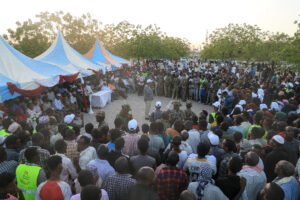
The early impact is visible at the household level. Youths who previously faced irregular, uncertain incomes now manage predictable earnings that support food security, school fees, and healthcare. Safer riding practices are already evident on the roads: helmets are worn consistently, motorcycles are better maintained, and riders demonstrate greater courtesy to other road users. Just as importantly, the group model has strengthened social bonds. Members plan together, set weekly targets, and hold one another to shared standards, creating an environment where responsibility is encouraged and excellence becomes the norm.
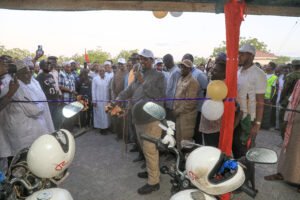
Women and young men alike are finding fresh confidence in enterprise. Several groups have begun trialing value-addition ideas,scheduled parcel delivery for shops, structured school transport at peak hours, and last-mile logistics partnerships with local businesses. With savings accounts active, the habit of putting something aside at the end of each working day is taking root. For many participants, building a small emergency cushion is a new and empowering experience. These quiet, steady habits are the foundations of resilience that help households withstand shocks and plan for the future.
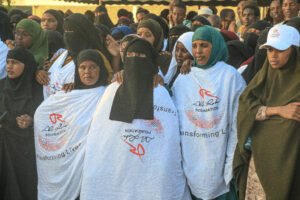
ARF’s approach recognizes that empowerment is a journey, not a one-off event. The Foundation will continue mentoring group leaders, organizing refresher trainings with NTSA, and linking teams to SACCO advisors for quarterly financial health checks. Monitoring tools are being introduced to track safety incidents, revenue trends, savings growth, and loan readiness, ensuring decisions remain data-driven and responsive to real needs on the ground. Community forums will keep parents, elders, and local administration engaged so that the broader environment remains supportive.
Looking ahead, ARF is committed to scaling this model across the county, adapting to local contexts while preserving the core pillars: assets, training, governance, and finance. By mobilizing partners, alumni mentors, and community champions, the Foundation will strive to do more of such activities and open dignified, practical pathways for youth employment and entrepreneurship. Overall, the program has significantly improved the livelihoods of participating youths and their families, proving that when training, seed capital, and disciplined savings are combined with strong group leadership, young people can build safer roads, stronger households, and a more prosperous future for Elwak Sub-County